
sports
Ryder Cup Victory Anthem Sparks Political Debate: Trump Responds, But Was It Fair Play?
Oct
Ryder Cup Victory Anthem Sparks Political Debate: Trump Responds, But Was It Fair Play?
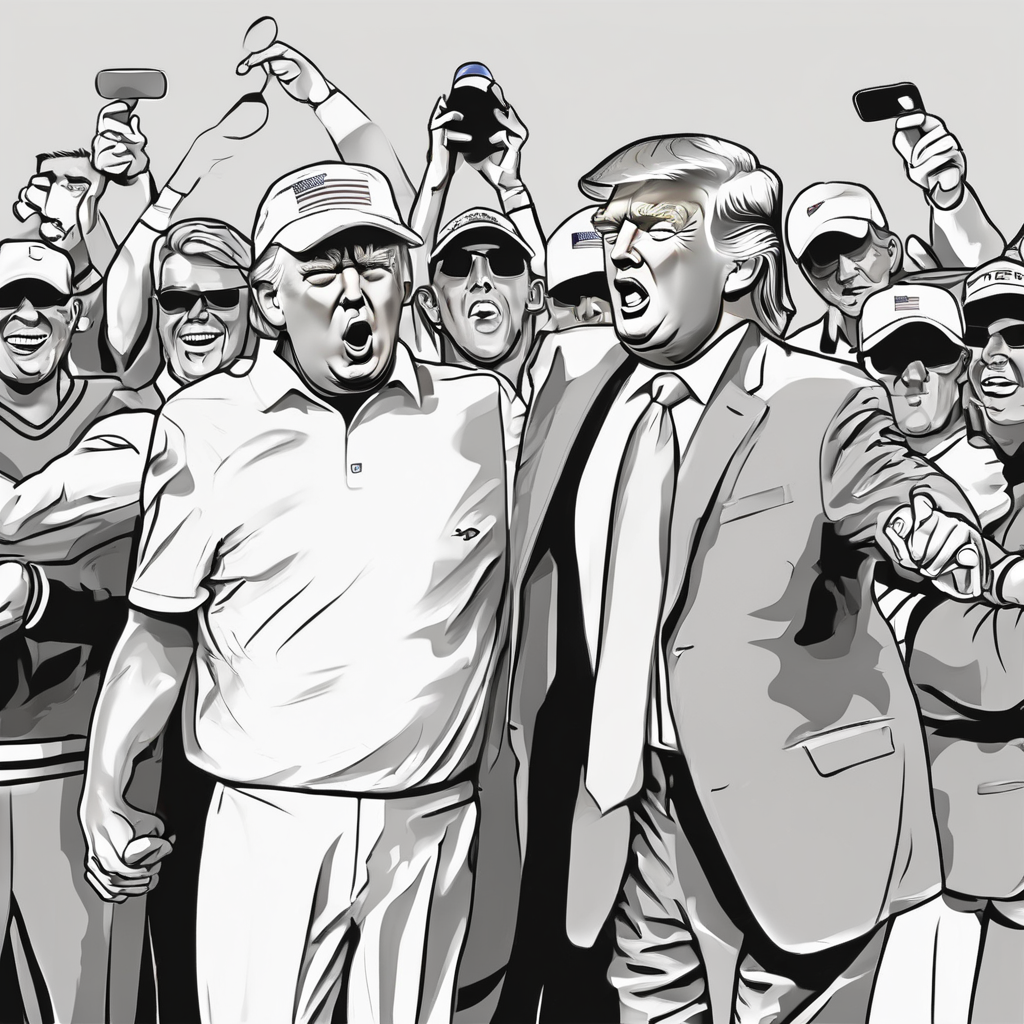
The dust has settled on the greens of Bethpage, New York, after Team Europe’s triumphant Ryder Cup victory. However, the celebratory atmosphere has been somewhat overshadowed by a post-victory chant that has ignited a political firestorm. Led by star player Rory McIlroy, the jubilant European team broke into a raucous chant that appeared to pointedly call out former President Donald Trump.
While details of the exact chant remain somewhat unclear – reports suggest variations on anti-Trump slogans – the response has been swift and varied. Trump himself issued a statement congratulating Team Europe on their victory but notably made a thinly veiled reference to the chant, suggesting that it was disrespectful and unsportsmanlike.
This incident raises several crucial questions about the intersection of sports and politics. Is it appropriate for athletes, even in moments of celebration, to engage in political commentary? Some argue that athletes, like all individuals, have the right to express their opinions, especially when they feel strongly about issues. They point to a long history of athletes using their platforms to advocate for social change, from Muhammad Ali’s stance against the Vietnam War to Colin Kaepernick’s kneeling protests against racial injustice.
However, others argue that sporting events should remain neutral spaces, free from political divisiveness. They contend that political expressions can alienate fans, detract from the sporting competition, and ultimately undermine the unifying power of sports. Furthermore, some argue that Team Europe’s chant was particularly inappropriate given that the Ryder Cup is a symbol of international camaraderie and sportsmanship.
The incident also highlights the increasing politicization of seemingly every aspect of modern life. In an era of hyper-partisanship, even a celebratory sports chant can be interpreted through a political lens and become a source of division. Whether you believe Team Europe’s actions were justified or not, the incident serves as a reminder of the challenges of navigating political discourse in an increasingly polarized world. What remains to be seen is the long-term impact of this controversy on the Ryder Cup and the broader relationship between sports and politics. Will future events see a greater emphasis on neutrality, or will athletes continue to use their platforms to voice their political opinions?
Officials Zakumi South Africa 2010 World Cup Mascot Tee Premium T Shirt Sweatshirt Hoodie
Officials Youve Got A Paisan In Me Toy Story Italian Premium T Shirt Sweatshirt Hoodie
Officials Your Favorite All Steve Tag Team Killer Steves Teenage Mutant Ninja Turtles Graphic Tee Premium T Shirt Sweatshirt Hoodie
Officials Youre Killing Me Allison Chandler Lockenear Preparatory Academy Tee Premium T Shirt Sweatshirt Hoodie