
sports
NFL Overtime Tie Rule Under Scrutiny After Packers-Cowboys Thriller Ends in Stalemate
Sep
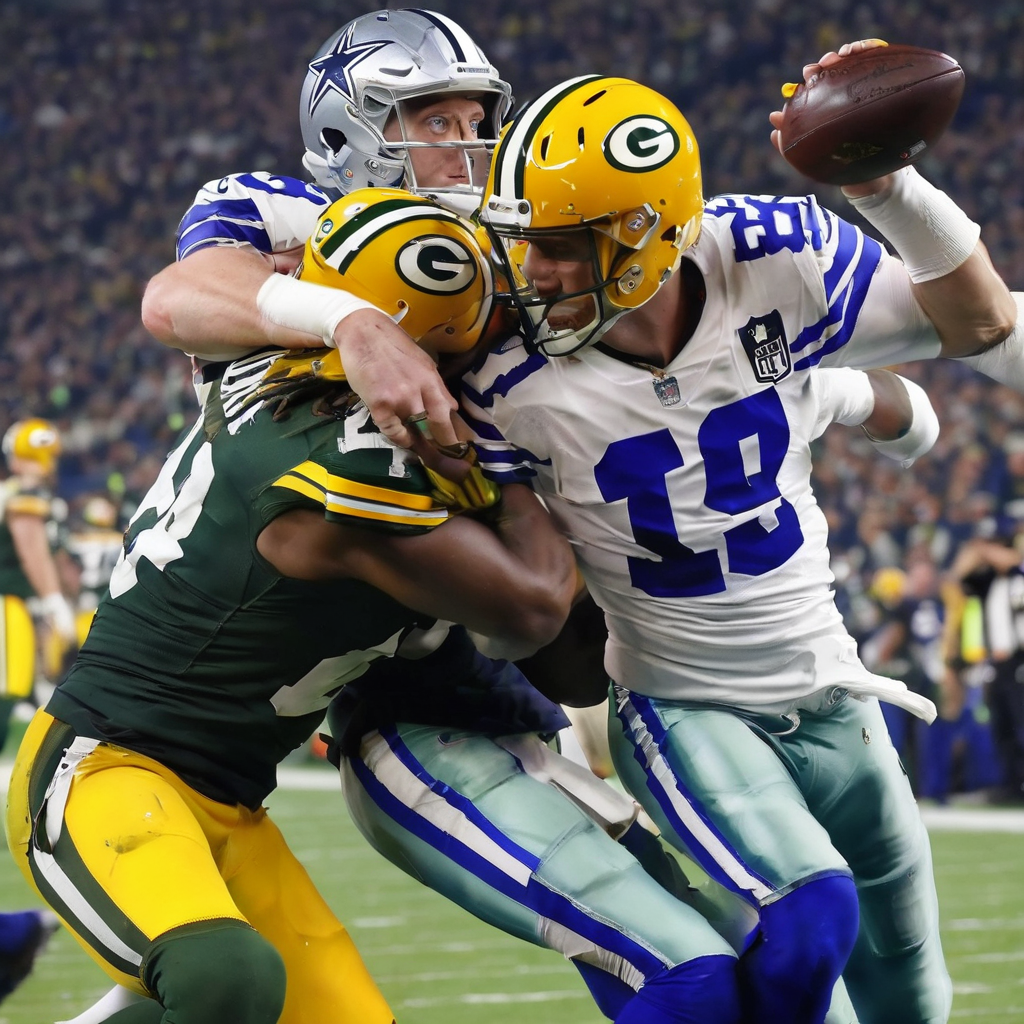
The Green Bay Packers and Dallas Cowboys delivered a Sunday Night Football classic that no one, especially fans, will soon forget. However, the electrifying 40-40 tie has reignited the debate surrounding the NFL’s overtime rules, leaving many questioning whether a game of such intensity should end without a true victor. The game featured explosive offensive plays, crucial defensive stops, and a nail-biting finish that saw both teams trade field goals in overtime before ultimately settling for the draw.
While the tie doesn’t drastically alter either team’s playoff aspirations this early in the season, the feeling of incompleteness hangs heavy. Many analysts and fans alike have argued that the current overtime format, which allows for a tie after a set period, doesn’t fully reward the effort and performance exhibited by both teams, particularly in a high-scoring, hard-fought contest like the Packers-Cowboys showdown.
“It’s just… unsatisfying,” commented former NFL quarterback and current analyst, Kurt Warner, on Twitter shortly after the game. “You pour your heart and soul into a game like that, and to walk away with a tie… it feels like a loss for both sides.”
The debate often centers around potential alternatives. Some propose a ‘sudden death’ scenario where the first team to score any points, including a field goal, wins. Others advocate for an extended overtime period with more defined rules, potentially guaranteeing each team a possession regardless of who scores first. A more radical suggestion involves continuing the game until one team leads at the end of a quarter, similar to college football’s overtime format.
The NFL has previously modified its overtime rules in response to criticism, notably ensuring both teams get a possession in the playoffs. However, the regular season rules remain a point of contention. The Packers-Cowboys tie serves as a potent reminder that the current system, while designed to minimize injury risk and shorten games, can sometimes detract from the competitive spirit and leave fans feeling shortchanged. As the league continues to prioritize player safety and game length, finding a balance between those concerns and ensuring a satisfying resolution to thrilling contests will be crucial in shaping the future of NFL overtime.
The league is likely to revisit the topic during the offseason, potentially forming a committee to explore different overtime formats and their potential impact on the game. Whether any changes will be implemented remains to be seen, but the Packers-Cowboys tie has undoubtedly added fuel to the fire, ensuring that the debate over NFL overtime rules will continue to rage on.
Officials Zakumi South Africa 2010 World Cup Mascot Tee Premium T Shirt Sweatshirt Hoodie
Officials Youve Got A Paisan In Me Toy Story Italian Premium T Shirt Sweatshirt Hoodie
Officials Your Favorite All Steve Tag Team Killer Steves Teenage Mutant Ninja Turtles Graphic Tee Premium T Shirt Sweatshirt Hoodie
Officials Youre Killing Me Allison Chandler Lockenear Preparatory Academy Tee Premium T Shirt Sweatshirt Hoodie