
sports
Colts Offensive Lineman’s Strategic Penalty Sparks Debate: Is ‘Smart’ Cheating Good for Football?
Sep
Colts Offensive Lineman’s Strategic Penalty Sparks Debate: Is ‘Smart’ Cheating Good for Football?
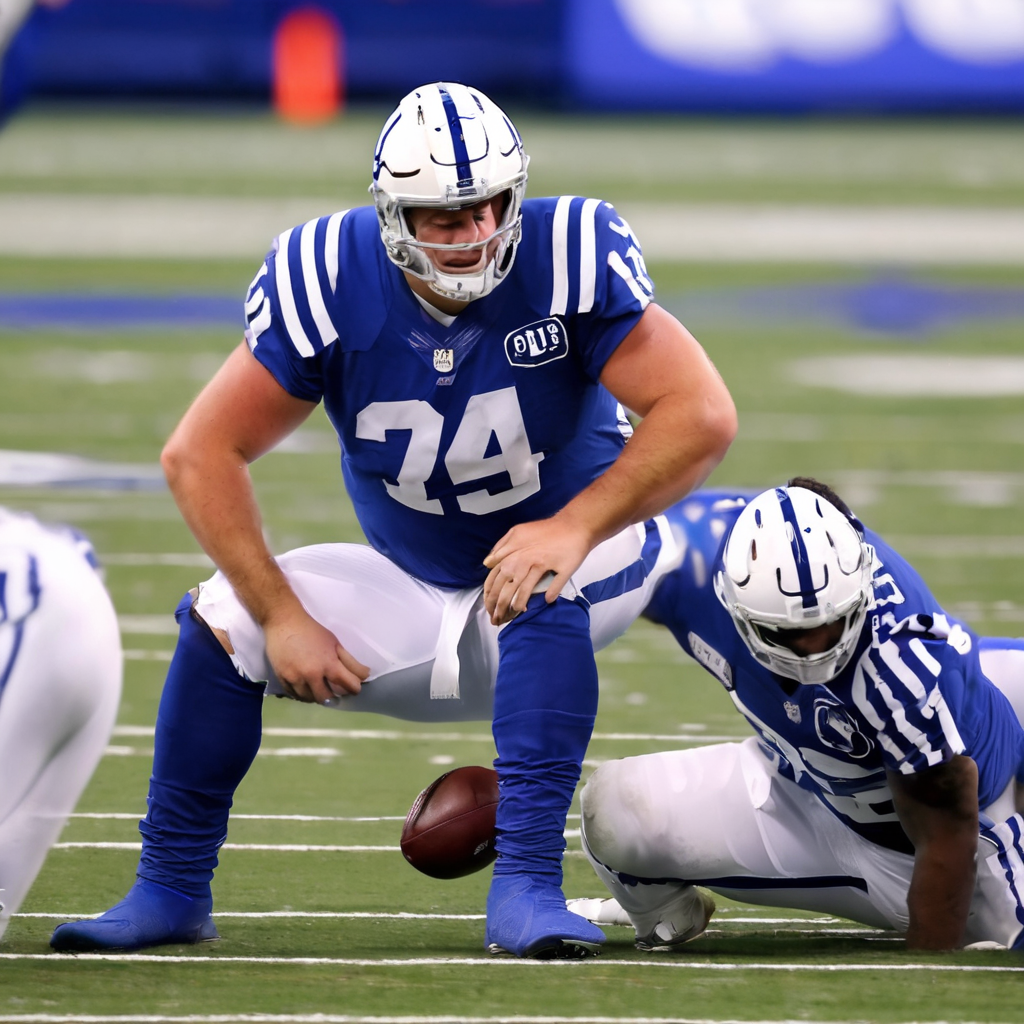
The Indianapolis Colts’ recent narrow victory over the Denver Broncos has been overshadowed by a controversial admission from offensive lineman Dalton Tucker. Tucker openly stated that he intentionally committed a ‘leverage’ penalty late in the game, a move he believes ultimately saved the Colts from a potentially game-losing situation. While some are praising Tucker’s quick thinking and strategic awareness, others are condemning the action as blatant cheating and a dangerous precedent for the league.
The situation unfolded in the closing minutes of the game. With the Broncos threatening to score and potentially take the lead, Tucker intentionally leveraged a Broncos defender, drawing a penalty that pushed the Broncos further back and ultimately disrupted their offensive momentum. The Colts went on to secure a narrow victory, but Tucker’s confession has ignited a firestorm of debate across the NFL community.
“I knew what I was doing,” Tucker admitted in a post-game interview. “We were in a tough spot, and I saw an opportunity to give our defense a little more breathing room. It’s not something I’m proud of, but in that moment, I felt like it was the best thing for the team.”
The incident raises a crucial question: Where does the line between smart football and outright cheating lie? Many argue that football is a game of strategy and deception, and that players are constantly pushing the boundaries of the rules to gain an advantage. They point to practices like holding, defensive pass interference, and even subtle forms of gamesmanship as inherent parts of the game. They argue that Tucker simply recognized an opportunity and exploited it, even if it meant bending the rules slightly.
However, others argue that intentionally drawing a penalty crosses a line. They believe that it undermines the integrity of the game and sets a dangerous example for young players. Critics point out that if players are encouraged to intentionally break the rules in strategic situations, it could lead to a slippery slope where the game becomes less about skill and athleticism and more about finding loopholes and manipulating the system.
The NFL is now facing pressure to address the situation and clarify its stance on intentionally drawing penalties. While penalties are inherently a part of the game, the league may need to consider implementing new rules or stricter enforcement to discourage players from deliberately committing infractions for strategic gain. This incident highlights the complex ethical dilemmas that can arise in professional sports and forces us to consider the true meaning of fair play.
Yorkshire Terrier Aurora Borealis Onlypaws White Shirts
Welshs Lounge Clairton Pa Retro Neon Sign Logo White Shirts
The Walking Dead Nasty Negan 5 Borough Burn Baseball Bat Graphic White Shirts
The Badger State Kitten Wearing A Cheese Hat Riding A Badger White Shirts